
Water leaves clues a buyer can spot
Most chimney problems in a sale are water problems that have not been named yet. The listing photos show a pretty mantel. The walkthrough shows a faint tide line on the wall above it, a rust-colored streak on the back of the firebox, and a damper handle that will not move. The general inspector writes "recommend evaluation by a chimney specialist" and moves on. Now there is a clock running on the contract and a question nobody can answer from the living room.
This post is for buyers and sellers in Stanton who are in that spot. It covers the water clues to look for, which inspection answers them, and what the report does for each side.
Clues that point at water
On a showing or at the general inspection, note any of these:
- A tide line or bubbled paint on the wall above or beside the mantel.
- Rust on the damper or flakes of rust on the firebox floor.
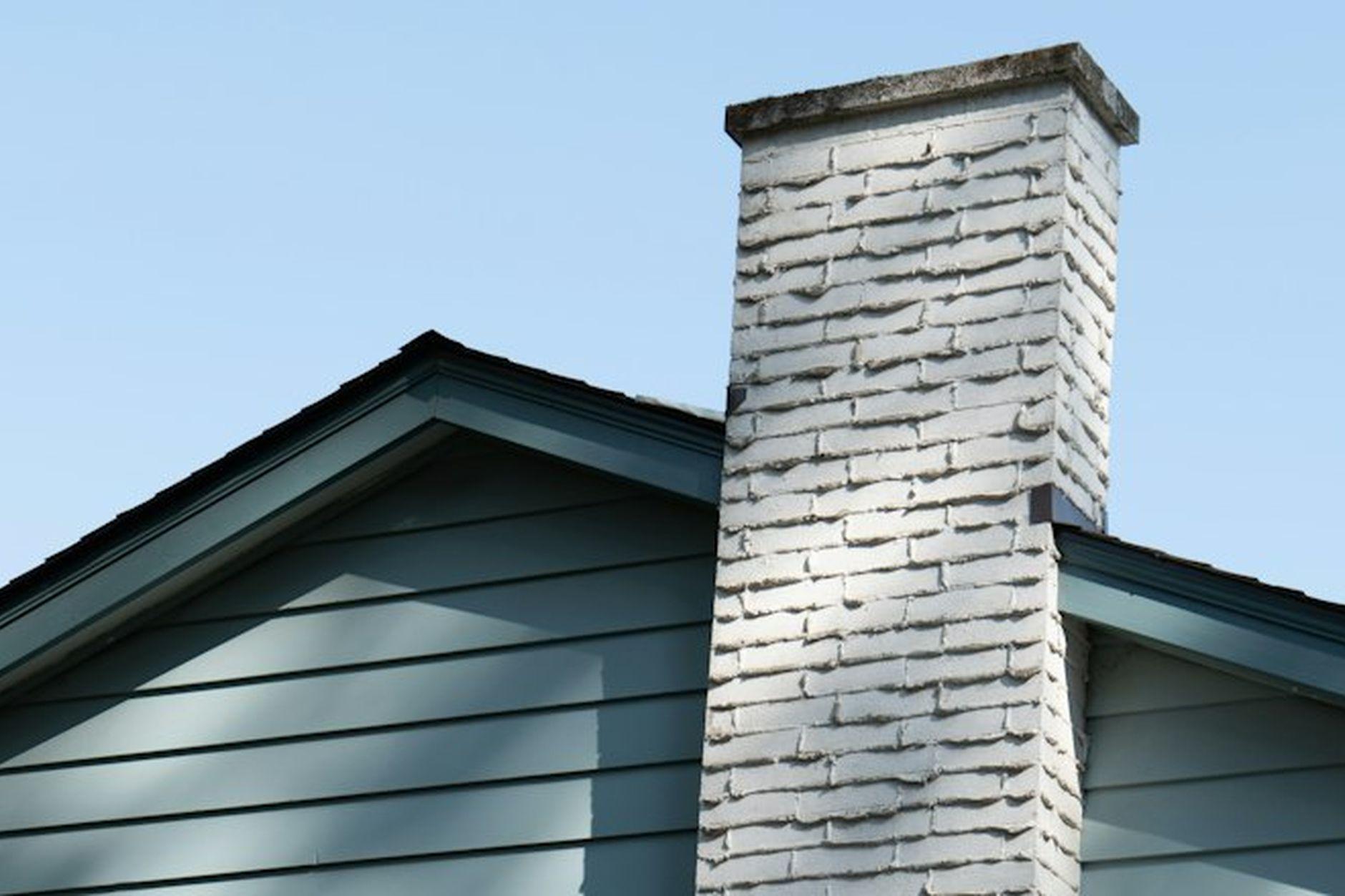
- White crust on the brick inside the firebox or on the outside of the stack.
- A musty smell at the hearth, most of all on a warm afternoon.
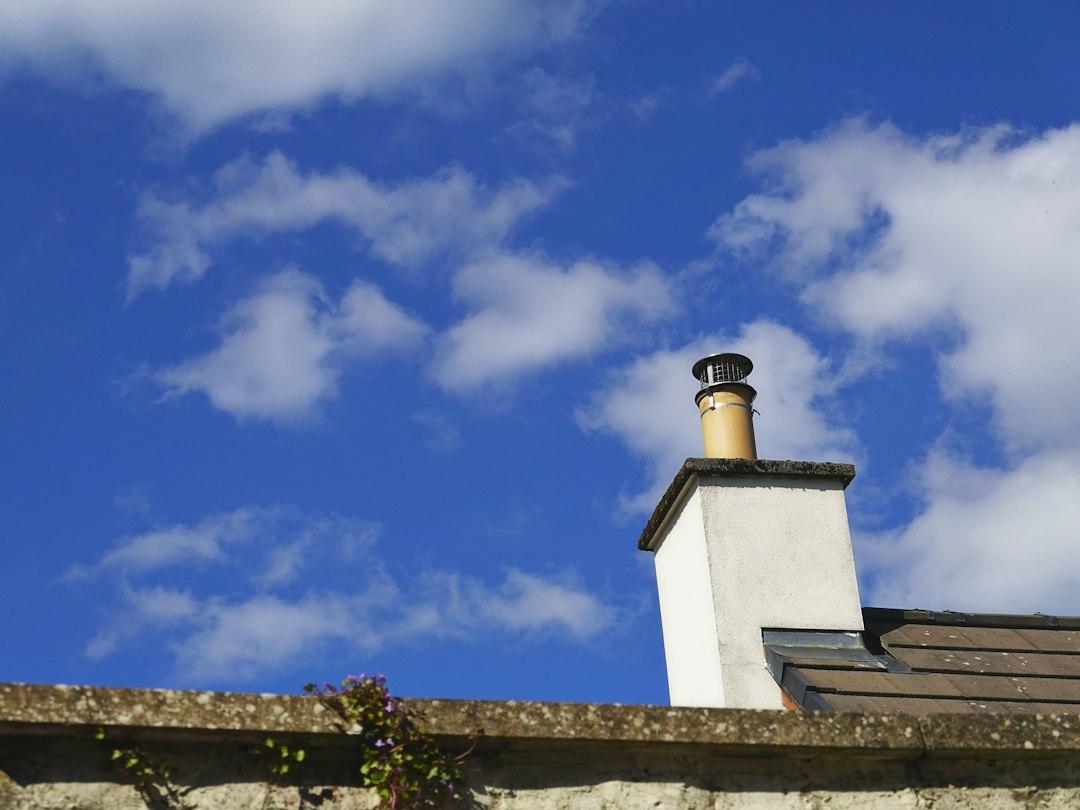
- Missing or rusted cover over the flue when you look up from the driveway.
- Fresh caulk or tar smeared around the chimney on the roof, which often means someone chased a leak without finding it.
Any one of these is reason to ask for a closer look before your inspection window closes.
Why a sale calls for the camera
The fireplace and chimney standard most inspectors work to, NFPA 211, groups chimney checks into three depths. The first is a look at whatever is reachable and visible. The second adds a video camera run inside the flue, plus the attic and roof views around the chimney. The third opens walls or masonry and is rare. The standard treats a change of owner as a moment for the second depth, because nobody on either side of the deal can vouch for how the chimney has been used or how long water has been getting in.
Water damage is exactly the kind of thing the deeper check is for. A cracked flue tile, a soaked smoke chamber or a joint that has opened behind the brick cannot be seen from the hearth.
| Visit | Price | What it answers |
|---|---|---|
| Camera check of the flue with roof and attic views | $405 | Where water is getting in, and what it has damaged |
| Visual check of reachable parts | $170 | Whether the parts you can see are sound |
For a purchase, we recommend the camera level. The visual check suits an owner who uses the fireplace every year and simply wants it looked over.
The order that keeps the window open
When there is a contingency in the contract, sequence matters more than speed. A sensible order:
1. Book the chimney visit when you book the general inspection. If the general inspector then flags the chimney, the specialist is already on the calendar. 2. Arrange access through the agents. We need the roof, the attic hatch and the fireplace. 3. Name who receives the report when booking: the buyer, the buyer's agent, or both. 4. Read the findings with your agent, then decide on a repair request, a credit or neither.
If water damage turns up, the report says what part has failed, where, and what the usual fix is. Where we have a published price, we list it beside the finding.
What water findings tend to cost
These are the fixes that show up most often after a wet chimney in a sale, with our list prices:
- A traced leak, found at its source and closed: $580 to $3,500
- A peaked diverter on the high side of a wide stack: $465 to $1,050
- The same diverter with the roof seams remetaled: $700 to $1,750
A hood with mesh over an open flue is quoted after we measure.
Crown rebuilds, flue relining, damper replacement and stand-alone flashing work do not have list prices; we write those up with a figure after the roof visit, so both sides have numbers to negotiate from.
To set up an inspection for a sale, request a sale inspection and include the property address, whether you are buying or selling, the agents involved, and any chimney note already in the general report. That is enough for us to plan the visit and the roof access.
For sellers
If you are listing a Stanton house with a fireplace, a camera inspection before you list means the buyer's report holds no surprises. You can fix what the report finds, price it into the asking figure, or hand it to buyers up front. A water finding disclosed early is a line in a negotiation. The same finding turned up by the buyer in escrow hands their side the stronger hand, and it tends to cost more.
What the report looks like
Each finding has a photo or a still from the camera, a location, and a short plain statement of what it means: no action, monitor it, or repair it now. Water findings say where the water comes in and what it has touched. Agents can forward it as is.
Related pages
- Home sale chimney inspection: the sale visit in full.
- For real estate agents: what lands in the file.
- Level 2 inspection: the camera visit itself.
- Chimney leak repair cost: a closer look at leak prices.
- Sales across Stanton, La Palma and Fountain Valley.
Buying or selling a Stanton home with a chimney that shows signs of water? The contact page is the way in, and Saxon Chimney Sweep will set up the camera visit with whichever agent holds the keys.
Want the Wet Seam Named and Priced?
Saxon Chimney Sweep reads the stain, the attic and the roofline, then writes a price beside each opening it finds. Visits run from Stanton to La Palma, Fountain Valley, Huntington Beach and the rest of our list.