
Flaking brick is a water story
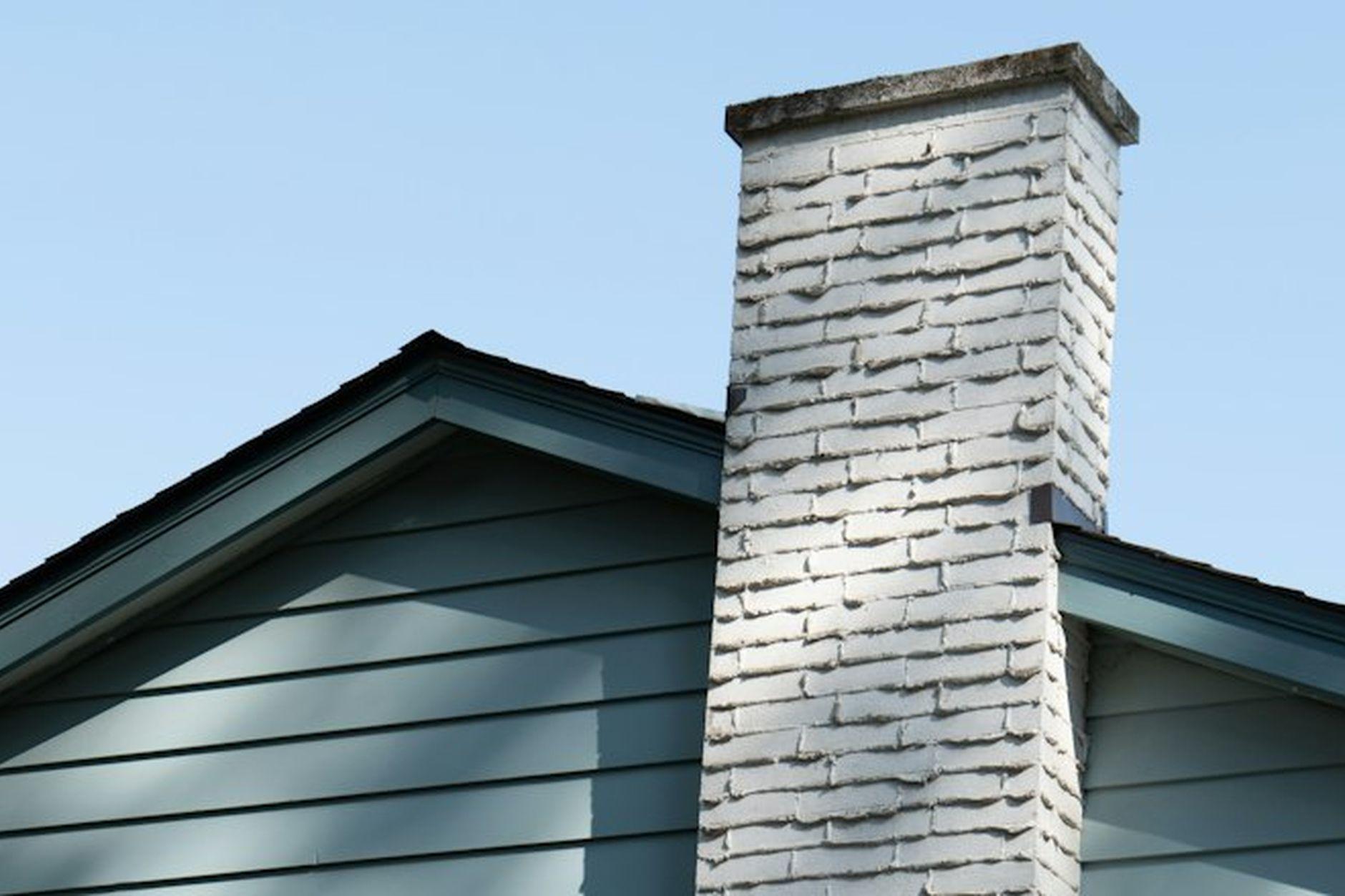
Walk around a chimney after a wet winter and look at its faces. If you see brick with its outer skin peeling away in thin flakes, a white crust along the joints, or mortar you can scratch out with a key, water has been inside that masonry for a long while. None of these mean the chimney is about to fall. All of them mean the next rainy season will make things worse, and that a mason, not a roofer, is the right first call.
This post is for Stanton homeowners collecting bids for that work. It covers what the damage looks like, what a sound bid spells out, and where the price comes from.
Reading the clues before anyone climbs up
You can learn a lot from the yard and the room.
- Spalling. The face of a brick pops off when water inside it freezes or, more often here, when salts in the water crystallize as it dries. Our coastal air carries salt inland, and houses from Huntington Beach to Stanton show it.
- White bloom. That chalky crust is salt left behind by water moving out through the brick. Its location shows you where water is leaving, which is a step closer to where it came in.
- Sandy joints. Mortar that crumbles when touched no longer sheds water. Rain runs into it and keeps going.
- A damp smell by the hearth. Wet masonry inside the house smells like a basement, most of all on warm days after rain.
If any of these sit next to a ceiling stain, the stain and the brick are probably part of the same problem.
What a good masonry bid spells out
Two bids can name the same price and describe very different jobs. Before you sign, check that the paper tells you:
- Where the water gets in. A bid that lists repairs without naming the source is guessing. Ours start with the source, written in a sentence.
- Which joints and how many. Repointing a whole stack is a different job from a band of joints below the top. You should be able to tell from the bid which it is.
- The mortar. Older brick and newer brick want different mixes. Ask what the bid calls for and why. A mix stronger than the brick forces water and movement into the brick itself, which is how spalling starts again.
- What happens to flaked brick. Some faces can be left; badly spalled units have to be cut out and replaced with brick that matches in size and color. The bid should say which.
- The top and the roof joint. Masonry work on a chimney with a cracked top slab or open flashing will get wet again. A bid that ignores both has left the door open.
If a contractor tells you to coat the brick with a sealer and leave the joints, ask for the cause again. Sealer over failing mortar traps water instead of keeping it out. Our post on chimney waterproofing explains when a coating makes sense.
Where the price comes from
Masonry work has no list price on this site, and for good reason. The same symptom on two houses can mean an afternoon or a week. What sets the figure:
- Height and access. A one-story ranch in Stanton with a short stack is quick to set up. A two-story house with a tall chimney on a steep tile roof needs more staging.
- How much brick has failed. A handful of flaked units is small. A whole face gone soft can mean taking the upper courses apart and relaying them.
- The parts above the brick. If the top slab, the flue cover or the roof metal has to be redone at the same visit, they add to the job. The roof joint has a published price: leak work runs $580 to $3,500. A hood over the flue is quoted after we measure.
To get a written figure for your chimney, request a masonry visit and say which side of the chimney is flaking, whether the damage sits above or below the roofline, and whether there is a stain indoors. We bring the ladder, find the source and put the scope on paper.
Who should do the work
A general roofer is the right call for a roof. A chimney is masonry sitting on a roof, and most leaks around it are part metal, part brick. Look for someone who will:
- Get on the roof and also look inside, at the firebox, the smoke chamber and the attic side of the chimney.
- Show you photos of the damage before and after.
- Put the scope, the materials and the price in writing before starting.
- Tell you plainly when a repair will not hold and what the larger fix would be.
That last point matters most. A crew that only patches what you point at leaves the cause in place. We would rather tell you the stack needs more than you hoped than come back next winter to the same stain.
When brick damage turns structural
Water that has been in a chimney for years can loosen whole courses near the top. A stack that wobbles when pushed, or a crack that runs through brick rather than along joints, needs more than repointing. In this part of Orange County the 1994 quake and the Whittier Narrows quake before it both showed how a weakened stack behaves when the ground moves. Our seismic retrofit and chimney rebuilds pages describe the larger options.
Related reading
- Chimney masonry repair: what the service covers.
- Chimney leak repair cost: the price ranges in detail.
- Up to code repairs: how a long list gets split into stages.
- Our routes cover Stanton, La Palma and the cities between.
Flaking faces and sandy joints only get worse with each wet season. Reach Saxon Chimney Sweep through the contact page, and we will come out to Stanton to find where the water is getting in before anyone lays a brick.
Want the Wet Seam Named and Priced?
Saxon Chimney Sweep reads the stain, the attic and the roofline, then writes a price beside each opening it finds. Visits run from Stanton to La Palma, Fountain Valley, Huntington Beach and the rest of our list.