
Two quotes, two different jobs
You had a stain beside the chimney, two roofers came out, and now one quote says "reseal flashing" while the other says "replace flashing". The prices are far apart and both sound reasonable. Which one is right for a Stanton house depends on the metal itself, the roof around it and how the chimney meets the slope. This post compares the two, adds the third option that sometimes beats both, and shows where each sits on our price list.
What the roof joint is made of
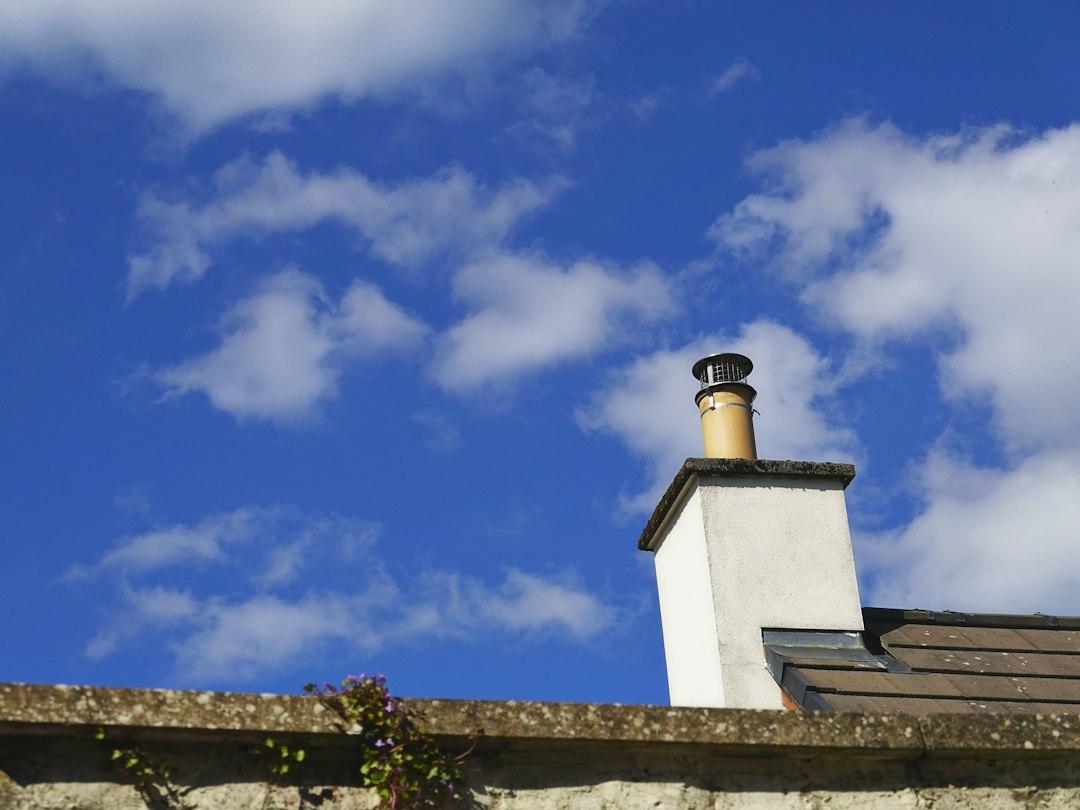
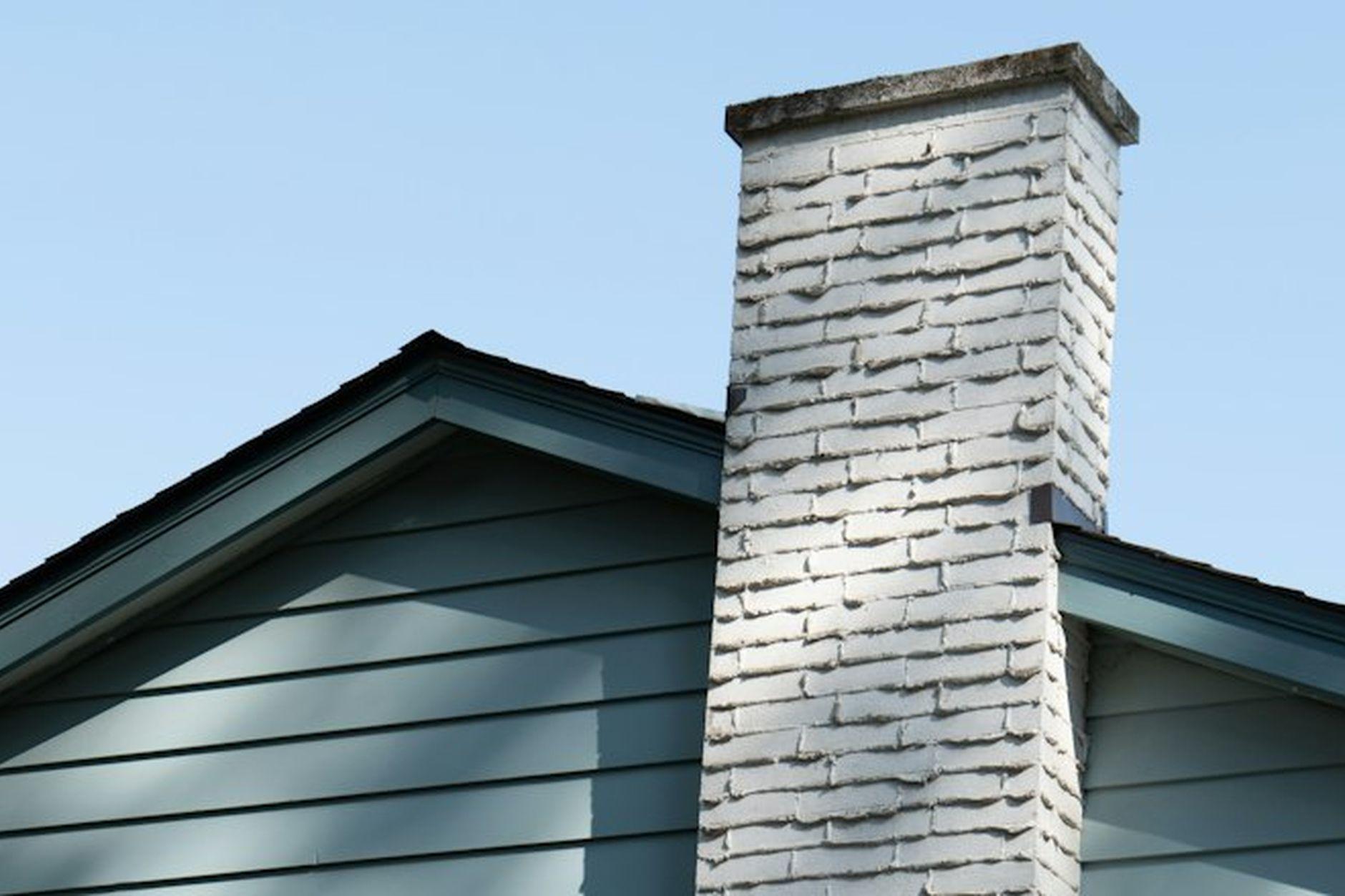
Where a brick chimney passes through a roof there is a gap no roofing can close by itself, because the house and the masonry move at different rates. Metal bridges that gap in two layers. The lower layer is bent into an L: one leg tucks under the shingles or tile, the other stands against the brick. The upper layer hangs down over the standing leg from a slot cut into a mortar joint, so water running down the brick lands on metal instead of in the gap.
When either layer lifts, rusts or loses its seal, water finds the gap. When the lower layer was never woven in with the roofing correctly, water finds it from day one.
When a reseal is enough
A reseal is the smaller job. It suits a joint where:
- The metal is sound, with no rust holes or splits.
- The upper layer still sits in its slot but the sealant at the slot has dried and pulled away.
- The roofing around the chimney is in decent shape and was laid correctly with the metal.
- The leak is recent and limited to one side.
The work is cleaning out old sealant, resetting any loose pieces, refilling the slot with a flexible masonry sealant and checking the lap with the roofing. On a single side it is a short visit, and it falls inside our leak repair range of $580 to $3,500, toward the low end.
What a reseal cannot fix: metal that has rusted through, pieces cut too short to lap the roofing, or a joint where someone has buried everything under tar.
When full replacement is the honest answer
Replacing the metal means taking out all of it on every side and fitting new pieces. That suits a joint where:
- The metal is galvanized steel that has rusted, which is common on older roofs and on houses closer to the coast in Huntington Beach and Fountain Valley.
- The lower layer was laid on top of the roofing instead of woven under it.
- Old patches of tar cover the metal, so nobody can see its condition.
- The roof is being redone anyway, or the tile has to come up for another reason.
Full replacement disturbs more roofing, so tile and underlayment around the chimney may need resetting. It costs more, but it ends the question.
On this site, stand-alone flashing replacement has no list price. The scope varies too much with chimney width, roof type and pitch. We write a figure once we have been on the roof, and the paper names the metal, the sides and the roofing work involved.
The third option: a diverter on the high side
Some chimneys leak because of where they sit. A wide stack set partway down the slope catches the runoff from everything above it. Water and leaves pile against the uphill face and stay there long enough to beat any metal. On those chimneys, resealing or replacing the joint treats the symptom.
The fix is a small peaked frame, built on the uphill side and covered with roofing and metal, that splits the water and sends it past the chimney on both sides. Roofers call it a cricket. Our installed prices:
| Diverter work | Price |
|---|---|
| Peaked diverter on the uphill face | $465 to $1,050 |
| Diverter with every roof seam remetaled | $700 to $1,750 |
The second line is the one we suggest most often when a wide chimney has rusty metal as well. Doing both at once means the roofing around the chimney is opened only one time.
Choosing between them
| If you see | The likely fit |
|---|---|
| Dry, cracked sealant on sound metal | Reseal |
| Rust holes, tar patches, metal on top of shingles | Full replacement |
| Leaves and water pooled on the uphill side of a wide stack | Diverter, often with new metal |
| Stain that only appears in wind-driven storms | Trace first; often brick, not metal |
That last row matters. A chimney can leak through porous brick or a cracked top slab and leave a stain right where you would expect a flashing leak. If a quote does not say how the source was found, it may be fixing the wrong part. Our leak repair cost guide covers the other entry points.
To have us look at yours, book a flashing visit and note what the roof is made of, roughly how wide the chimney is, and which side of the chimney the stain sits under. That tells us which ladder and what material to bring.
What we do on the visit
We look from the attic or the room below for the wet path, then go up. On the roof we check each side of the joint, lift a piece of roofing where we need to, and look at the brick and the top slab above it, since metal is never the only suspect. You get photos of what we saw and a written scope that says reseal, replace or divert, and why.
- Chimney flashing repair: the service in full.
- Chimney leak repair: how we trace water from the stain.
- Up to code repairs: for a flashing item on an inspection list.
- We work across Stanton and Huntington Beach.
If two quotes have left you unsure which job your roof needs, Saxon Chimney Sweep can give a Stanton homeowner a third opinion grounded in what is actually up there. Use the contact page to set it up.
Want the Wet Seam Named and Priced?
Saxon Chimney Sweep reads the stain, the attic and the roofline, then writes a price beside each opening it finds. Visits run from Stanton to La Palma, Fountain Valley, Huntington Beach and the rest of our list.