
A leak that starts at the very top
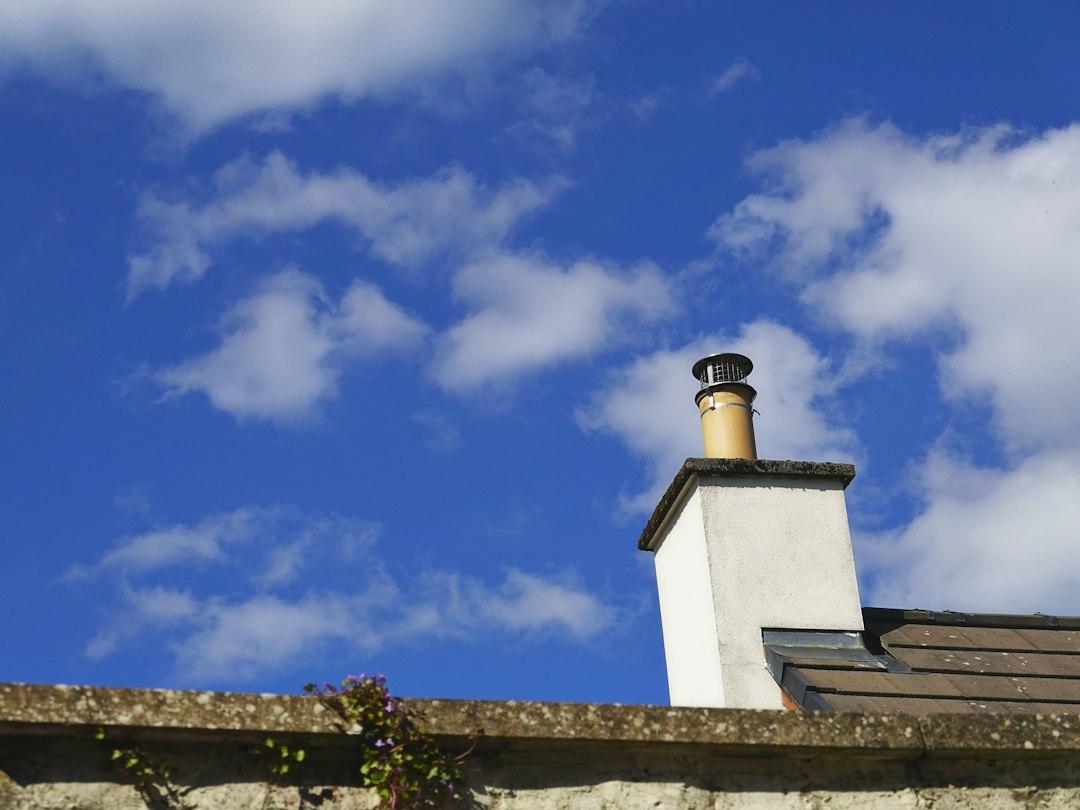
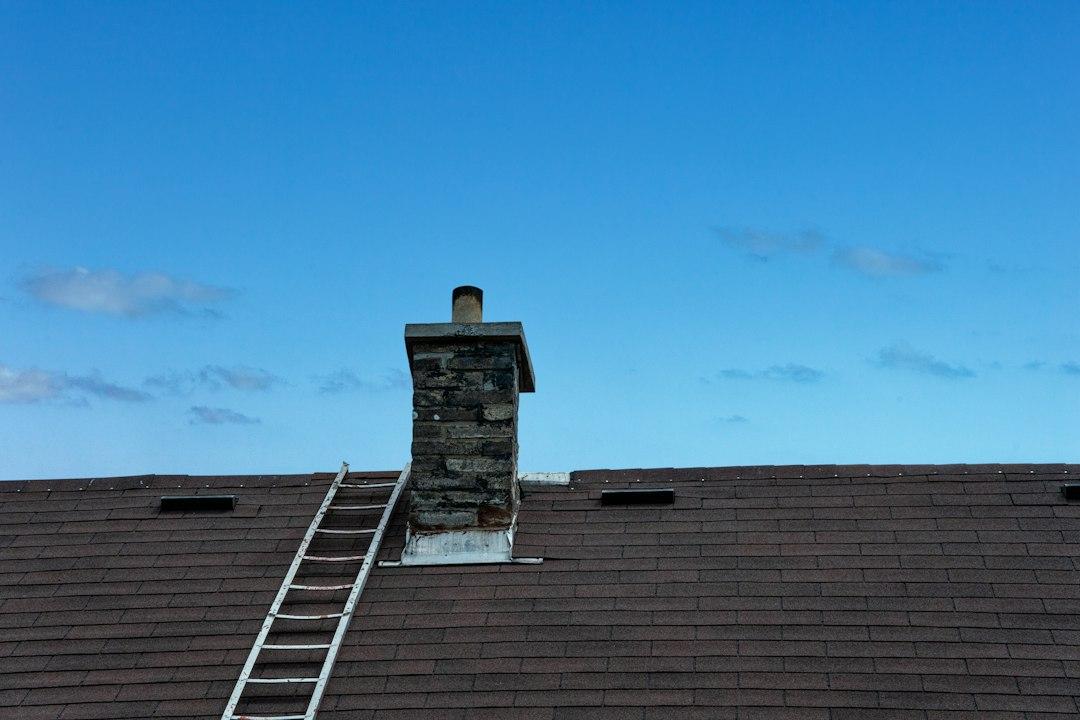
Some chimney leaks give no hint at the roof joint at all. The metal is tight, the brick looks fine from the yard, and yet the smoke chamber is damp, the damper is rusting and there is a tan streak on the firebox wall after every storm. When we trace leaks like that in Stanton, the source is usually the slab of concrete or mortar sitting on top of the brick around the flue tile: the crown.
Owners rarely see it, because it is above eye level even from the roof. This post covers how a crown fails, the two ways to fix it, and how the price is set for each.
How a crown lets water in
A crown is supposed to slope away from the flue and hang past the brick far enough that rain drops off its edge onto the roof instead of running down the chimney face. Many crowns we see on Orange County tract homes were never built that way. They were troweled flat out of leftover mortar, with no overhang and no gap around the tile.
Then the weather goes to work:
- Sun and cool nights. Our summer heat and winter cold make the slab expand and shrink every day. A flat mortar cap cracks first at the corners and around the tile.
- The tile pushing outward. The flue tile heats up faster than the crown around it. If the two are locked together with mortar, the tile cracks the crown from the inside.
- Marine air. Closer to the coast, salt in the moisture speeds up the breakdown of mortar.
- Ground movement. A quake, or even years of small settling, can open a crack across the whole slab.
Water that gets through a crack goes straight into the core of the chimney, behind the brick and around the flue. It shows up lower down: in the smoke chamber, on the damper, or as white crust on the brick inside the attic.
Option one: seal the cracks
If the crown is mostly intact and the cracks are narrow, it can be sealed. We clean out the cracks, fill them, and cover the top with a coating made for crowns that stays flexible as the slab moves. Where the tile is locked into the slab, we cut a small gap and fill it with a flexible joint so the tile can expand without cracking the slab again.
Sealing suits a crown that:
- Has fine cracks but no loose pieces.
- Still slopes, even slightly, away from the tile.
- Sits on brick that is sound at the top courses.
It does not fix a crown with no overhang. Water will still run down the face of the brick.
Option two: rebuild it
If the crown has broken into pieces, rocks when touched, was built flat with no overhang, or sits on loose brick, sealing only delays the next leak. Rebuilding means breaking off the old slab, checking and resetting the top courses of brick if they are loose, and forming and pouring a new crown with a proper slope, a lip wide enough that rain lets go before reaching the brick faces, and a gap around the tile.
It is a larger job and costs more, but a crown built correctly sheds water for decades rather than a few seasons.
How the price is set
Crown work has no list price on this site. A crown on a narrow single-flue chimney on a one-story ranch is a small job; a crown on a wide chimney with two or three flues on a steep two-story roof is a much bigger one. The things that set the figure:
- The size of the top. Wider chimneys mean more slab to seal or pour.
- Number of flues. Each tile needs its own gap and its own care.
- Brick under the crown. Loose top courses have to be reset before a new crown goes on.
- Roof access. Pitch, height and tile roofing add setup time.
- What sits on top. A cover over the flue usually comes off for crown work and goes back on, or is replaced.
You get a written figure once we have been up there, with photos of the crown, a note on whether sealing will hold or a rebuild is needed, and the reason.
To book that look, ask for a crown visit and describe the room where the damp shows, whether the chimney has one flue or more, and whether bits of mortar have ever turned up on the hearth or on the roof below the chimney. Those crumbs often come from the crown.
Pair it with a cover over the flue
A crown keeps water out of the brick. It does nothing for the hole in its middle. If your flue has no cover, rain falls straight down the tile. A hood with mesh over the flue is quoted after we measure. It is often worth doing at the same visit as crown work, since we are already up there. If the leak traced back to more than the crown, our general leak repair range is $580 to $3,500.
Signs it is time to call
- Rust on the damper or firebox, with no stain on the ceiling.
- White crust on brick inside the attic or on the upper stack.
- Mortar crumbs on the hearth or roof.
- A crown you can see from a neighbor's yard that looks flat, cracked or patched.
More reading
- Chimney crown repair: what the service covers.
- Chimney cap installation: the cover that goes on top.
- Is chimney waterproofing worth it?: the brick side of the same problem.
- Up to code repairs: crown items on an inspection list.
- We cover Stanton and Huntington Beach.
Damp in the smoke chamber with no ceiling stain is a crown clue more often than not. Saxon Chimney Sweep can get onto your Stanton roof and say whether sealing or recasting fits; start on the contact page.
Want the Wet Seam Named and Priced?
Saxon Chimney Sweep reads the stain, the attic and the roofline, then writes a price beside each opening it finds. Visits run from Stanton to La Palma, Fountain Valley, Huntington Beach and the rest of our list.