
A coating is the last coat, not the first fix
Owners often ask us to "seal the chimney" after a leak, picturing a quick spray that ends the problem. Sometimes that is the right call. Often it is not, and paying for it first only means paying again. Whether waterproofing is worth it for a Stanton chimney comes down to one question: is water coming through the face of the brick, or through a gap somewhere else?
How brick takes on water
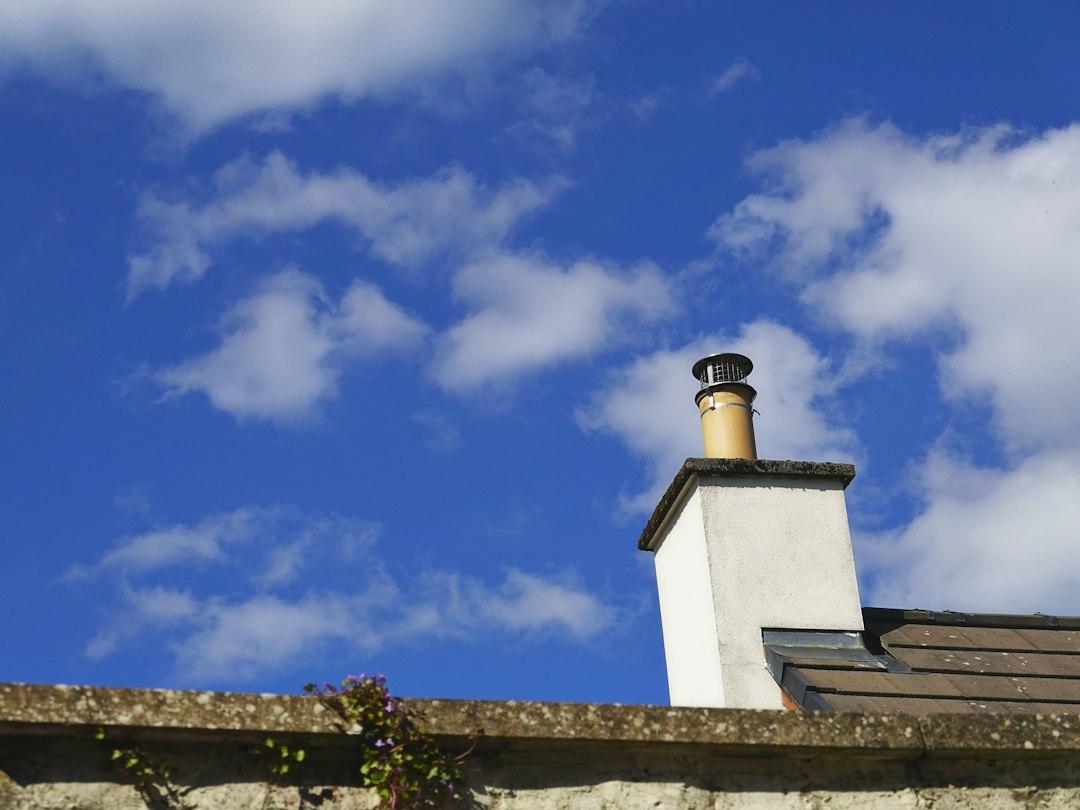
Clay brick and the mortar between it soak up rain. On a dry summer week that water leaves again with no harm done. Trouble starts when the masonry stays wet for long stretches, as it can through a rainy Orange County winter, or when salt in coastal moisture builds up inside it. The faces flake, the joints go soft, and water starts reaching the inside of the chimney and the framing beside it.
A water repellent for masonry soaks into the surface and lines the pores so rain cannot be drawn in, while still letting vapor already inside the brick escape as it dries. That last part is the whole point. A paint, a glossy sealer or a coat of roof tar locks moisture in, and trapped water does more damage than the rain it was meant to stop.
When waterproofing pays
A repellent is worth the money on a chimney where:
- The joints are firm and the brick faces are whole or nearly so.
- The crown is sound and sloped, with a cover over the flue.
- The roof joint is tight.
- Water still darkens the brick after rain, or white crust keeps appearing on the faces.
That last sign is the one that tells us the brick itself is the path. On a chimney like that, a repellent cuts how much water the masonry takes in each storm, which slows the flaking and keeps the inside drier.
The case gets stronger where exposure is high: a two-story house with a tall stack, chimneys on the side of the house facing the ocean breeze, and anything within a few miles of the coast in Huntington Beach or Fountain Valley.
When it is wasted money
Skip the coating, for now, if:
- The mortar crumbles. Repellent does not bond to sand, and the open joints will keep letting water in.
- The crown is cracked or flat. Water goes in from the top and the coating does nothing about it.
- There is no cover over the flue, so the tile is an open funnel.
- The roof joint is open. A coating on the brick cannot reach the gap.
- The brick is badly spalled. Damaged units need replacing first.
In each of these cases the leak has a different source, and coating the brick hides the clues the next person needs to find it. Our posts on crown repair and hiring a mason cover the fixes that should come first.
What sets the price
Waterproofing has no list price on this site, because the job changes with the chimney:
- The area to treat. A short, narrow stack takes far less product and time than a tall, wide one.
- The prep. Brick has to be clean and dry. Old sealers, paint or tar have to come off before anything new will soak in.
- Repairs first. If joints, the crown or the roof metal need work, that comes before the coating and changes the overall scope.
- Access. Roof pitch, tile and height add setup.
Where the visit shows that other parts also need work, some of it does carry a published price: finding and closing a leak at its source costs $580 to $3,500. A hood over the flue is quoted after we measure.
To find out whether your chimney is a candidate, request a waterproofing look and in the message say what you notice after rain: darker brick, white crust, a damp smell inside, or a stain. We use those clues to plan the visit and bring the right equipment.
What we check before recommending it
On the visit we look at all of it before suggesting any coating:
- The crown, the flue cover and the roof joint.
- Every face of the stack, joint by joint where it looks soft.
- The attic side of the chimney for damp framing or salt.
- The firebox and smoke chamber for rust and water marks.
If the brick is the path and everything else is tight, we say so, and the written scope covers prep, product and coverage. If something else is letting water in, we say that instead and price the fix that comes first.
How long it lasts
A good masonry repellent is not permanent. Sun and weather wear it down over the years, and a chimney that faces hard weather may need a fresh coat sooner than a sheltered one. We note on the report what was applied and where, so the next coat, by us or anyone, starts from facts.
More on keeping water out
- Chimney waterproofing: the service page.
- Chimney masonry repair: joints and brick first.
- Chimney leak repair cost: all the leak prices in one place.
- Our service area runs through Stanton and La Palma.
Damp brick after every storm is worth a proper look before anyone sprays anything. Saxon Chimney Sweep works on Stanton chimneys every rainy season, and the contact page is where to begin.
Want the Wet Seam Named and Priced?
Saxon Chimney Sweep reads the stain, the attic and the roofline, then writes a price beside each opening it finds. Visits run from Stanton to La Palma, Fountain Valley, Huntington Beach and the rest of our list.